How much are you willing to pay to look this good?
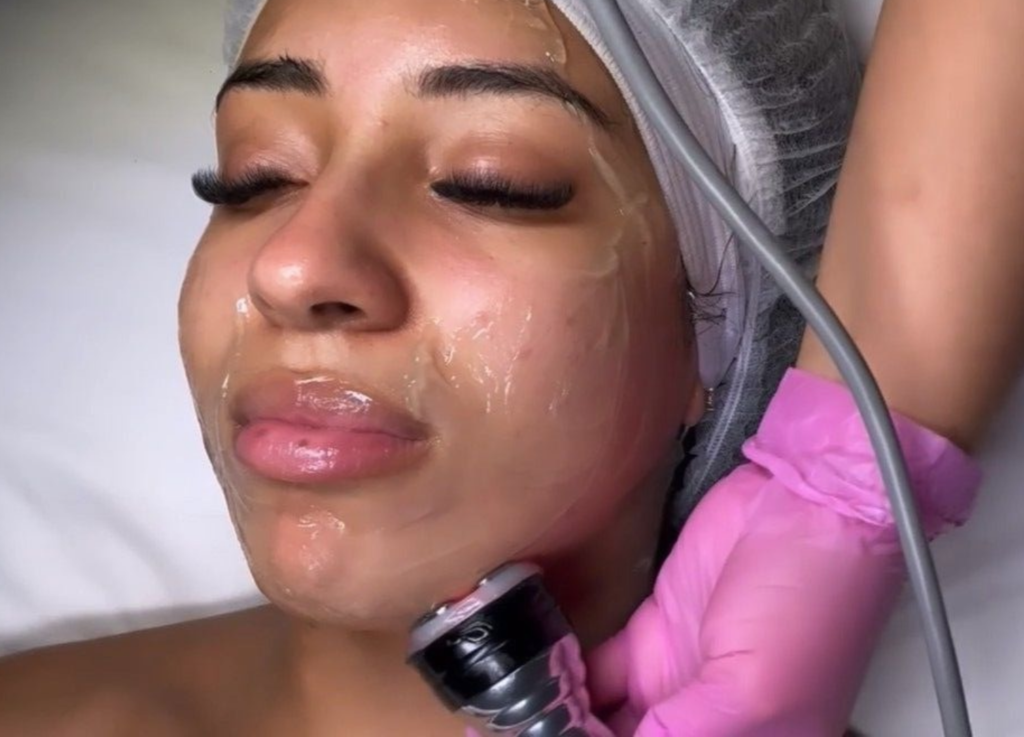
Hotties, let’s be honest. We ALL want perfect skin.
Of course, there’s the sensible route: eating well, investing in a good skincare routine, drinking your water, and a healthy lifestyle. But what happens when you’re doing all the right things and your skin still isn’t giving what it needs to give?
As someone who’s been through three rounds of Accutane and two rounds of doxycycline, trust me when I say that nothing feels quite as good as finally feeling confident in your own skin. And when you’ve spent years trying to get there, it’s tempting to wonder what else you could do to get that much closer to the complexion of your dreams.
Enter the Glass-Skin Economy 😏 Microneedling, lasers, chemical peels, and all the other treatments promising smoother texture, a more even complexion, and that perfect, lit-from-within glow.
But how much does it actually cost to maintain the skin of your dreams?
Which treatments are worth considering, how often would you need them, and what could your annual beauty bill look like if you really committed to the routine?

Thank you for reading HOT ON TUESDAY🔥! Join the HOT LIST today to stay up to date and support this publication (no spam, hehe)
HAILEY BIEBER’S FAVE: MICRONEEDLING
I heard this is the holy grail of skin treatments.
And if we’re talking about plump and smooth looking skin, we’re going to need to talk about microneedling.
Considered an invasive cosmetic procedure, microneedling uses a device fitted with tiny needles to create controlled punctures in the skin. Basically, these tiny injuries kick your skin’s natural healing process into gear, which stimulates collagen production. And collagen is what keeps your skin firm, smooth, and youthful. During the treatment, a practitioner will also use a serum (usually hyaluronic acid) to help the device glide across the skin and support hydration. Over time, microneedling can help improve uneven texture, acne scars, enlarged pores, and the appearance of fine lines.

WTF IS PRP?
PRP stands for platelet-rich plasma.
Here’s how it works: a small amount of your blood is drawn and spun in a machine to separate the plasma, which contains concentrated platelets (cell fragments suspended within your blood) and growth factors involved in healing. This golden liquid is then applied to your skin during microneedling. It’s used as an aternative to the conventional serum, except this time, the product comes directly from your own blood. The idea is to give your skin extra support while it’s doing its thing, with the goal of improving texture and acne scarring. Microneedling with PRP also gives you far more noticeable results then regular microneedling!
Whether it’s worth the extra money, however, is completely up to you.
| Regular microneedling | Microneedling with PRP | |
|---|---|---|
| Best for | Uneven texture, pores, acne scars and fine lines. | Acne scars, uneven texture and collagen support. |
| How it works | Tiny needles stimulate collagen production. | Microneedling combined with your own platelet-rich plasma. |
| Cost per session | $250–$400 CAD | $500–$950 CAD |
| Typical frequency | 3–4 sessions per year | 2–3 sessions per year |
| Estimated annual cost | $750–$1,600 CAD | $1,000–$2,850 CAD |
LASER This, LASER That, LASER WHAT?
With so many laser treatments available, breaking down every single one would easily turn this article into a 10 000 word essay and I know you’re not reading all that 😂
So to keep things simple, let’s break down the 3 most popular treatments dominating 2026!
1. PICO LASER
If you have a medium to deeper skin tone, you’re going to LOVE this!
Pico is a game-changer for unwanted pigmentation, dark spots, and uneven skin. It’s become popular because it targets pigment without relying on the same heat-based approach as many traditional lasers. This is a big deal for darker skin tones, where excess heat and inflammation can actually trigger hyperpigmentation.
Here’s the science: pico refers to picoseconds (a trillionths of a second). The laser delivers tiny little pulses that break pigments into smaller particles, that the body gradually clears away. It’s not completely heat-free, but it relies more on photoacoustic energy than traditional heat-based approach.
Think of Pico as a targeted treatment, not a universal skin-perfecting laser. Results depend on the wavelength, device, and type of pigmentation you’re treating.

Dark Spots and hyperpigmentation
Pico laser can help fade everything from sun-induced spots and age-related discolouration to those stubborn dark marks that linger after a breakout or skin irritation. The right wavelength and settings are essential.
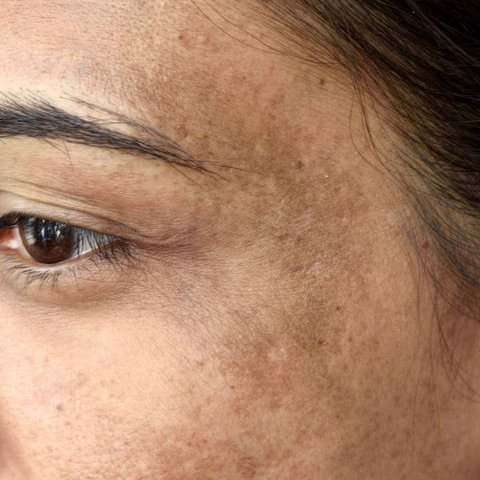
Melasma
Melasma shows up as brown or greyish patches, usually across the cheeks, forehead, or upper lip. Pico laser can help soften their appearance, but results may vary since melasma can be stubborn, often coming back or becoming more pronounced after skin irritation. Combine with a chemical peels, spacing treatments appropriately, for optimal results.
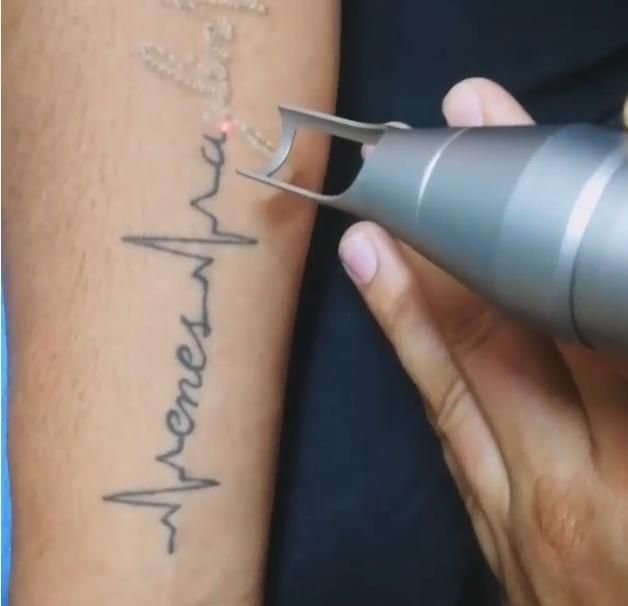
Tattoo Removal
Pico is perfect for tattoo removal! You’ll usually need several sessions to see significant fading, depending on the tattoo’s colours, how deep the ink goes, and how your skin responds.
2. MOXY LASER: A MILD RESET BUTTON
If PICO is all about targeting pigment, MOXI is more about improving your overall skin tone and texture.
MOXI is a non-ablative fractional laser, meaning it works beneath the surface of the skin without removing the entire outer layer. It’s designed to treat early signs of sun damage, uneven skin tone, dullness, and mild texture concerns by creating tiny zones of controlled heat in the skin to stimulate renewal.
The goal? Smoother, brighter, more even-looking skin.
It’s often marketed as a lower-downtime treatment, making it appealing if you want a quick refresh without committing to the recovery associated with more aggressive resurfacing lasers.
But what about darker skin tones? MOXI may be suitable for some people with medium to deep skin tones, but that doesn’t mean it’s automatically the right choice for everyone. If you have a deeper complexion, look for a qualified provider with specific experience treating darker skin tones who can assess whether MOXI is appropriate for you, choose suitable settings, and help minimize the risk of unwanted pigmentation.
What can MOXI help with?
- Sun damage: Targets superficial signs of UV damage and discolouration.
- Dull skin: Can help give skin a fresher, brighter appearance.
- Mild texture concerns: May improve roughness and the appearance of fine lines.
3. CO₂ Laser: The Big Guns of Skin Resurfacing
If PICO is to treat unwanted pigmentation, and MOXI is the gentle refresh, CO₂ laser is the more intensive skin-resurfacing treatment.
CO₂ (stands for carbon dioxide) is a laser used to treat and vanish deeper acne scars, more pronounced wrinkles, sun damage, and stubborn skin texture that MOXI laser, and topical products alone may not improve.
The laser uses energy to remove tiny layers of skin while heating the underlying tissue to stimulate collagen production. As your skin heals, the goal is smoother texture, softer-looking scars, and firmer, more even-looking skin.
Unlike MOXI, which is non-ablative, traditional fractional CO₂ resurfacing is ablative (meaning it removes portions of the skin’s surface). That can deliver far more impressive results, but it also means more downtime and a greater risk of complications.
What can CO₂ laser actually treat?

Deep Acne Scars
CO2 laser can help smooth out indented acne scars and improve the uneven texture they leave behind.

Fine lines & Wrinkles
It can improve fine lines and more pronounced wrinkles, particularly around the eyes and mouth, and aging caused by the sun.

Uneven skin texture and enlarged pores
By resurfacing the skin, CO2 laser can make rough texture and enlarged-looking pores less noticeable. It drastically improves their appearance, but does not permanently eliminate pores.

Skin Laxity
Collagen remodeling can help skin look firmer and smoother. However, CO2 laser is not a substitute for surgery when there is significant loose skin.
What about darker skin tones?
Melanated girls, proceed with caution. CO₂ laser can be effective, but it carries a higher risk of post-inflammatory hyperpigmentation, prolonged discolouration, and scarring in darker skin tones, particularly when aggressive settings are used. It isn’t automatically off-limits, but you need a qualified dermatologist with substantial experience treating skin of colour.
Less aggressive alternatives may be more appropriate for some people.
| Laser treatment | What it treats | Cost per session (CAD) | Typical frequency | Estimated annual cost (CAD) |
|---|---|---|---|---|
| Pico laser | Dark spots, pigmentation, sun damage, acne marks and uneven tone. | $200–$600 | 2–4 sessions/year | $400–$2,400 |
| MOXI laser | Sun damage, uneven tone, dullness, fine lines and early signs of ageing. | $550–$800 | 2–4 sessions/year | $1,100–$3,200 |
| CO₂ laser | Acne scars, deeper wrinkles, sun damage and uneven texture. | $600–$1,500+ | 1–2 sessions/year | $600–$3,000+ |
ALL THINGS CHEMICAL PEELS
If you’ve never heard of a chemichal peel, there is one simple way to explain it: a more intensive version of skin exfoliation.
Chemical peels use acids to break down the buildup of dead skin cells (aka the first layer of the skin), helping your skin shed them and reveal fresher skin underneath. This can help with everything from clogged pores and acne to dark spots, uneven texture, and fine lines. The type of acid and its strength determine how deeply the peel works and what skin concerns it can target.
During the treatment, your provider applies the peel to cleansed skin and leaves it on for a specific amount of time before removing it or neutralizing it, depending on the formula. You might feel some tingling or stinging, and over the following days, your skin may become dry, flaky, or start peeling. But not every peel comes with dramatic shedding, and you may need multiple sessions to see the results you’re after.
And before you assume the strongest peel is the best one, remember that more intensive treatments also come with more risks! Especially if you’re prone to hyperpigmentation.
Now, let’s get into the different types of peels, what they’re good for, and how much they’ll cost you.
Salicylic Acid Peel
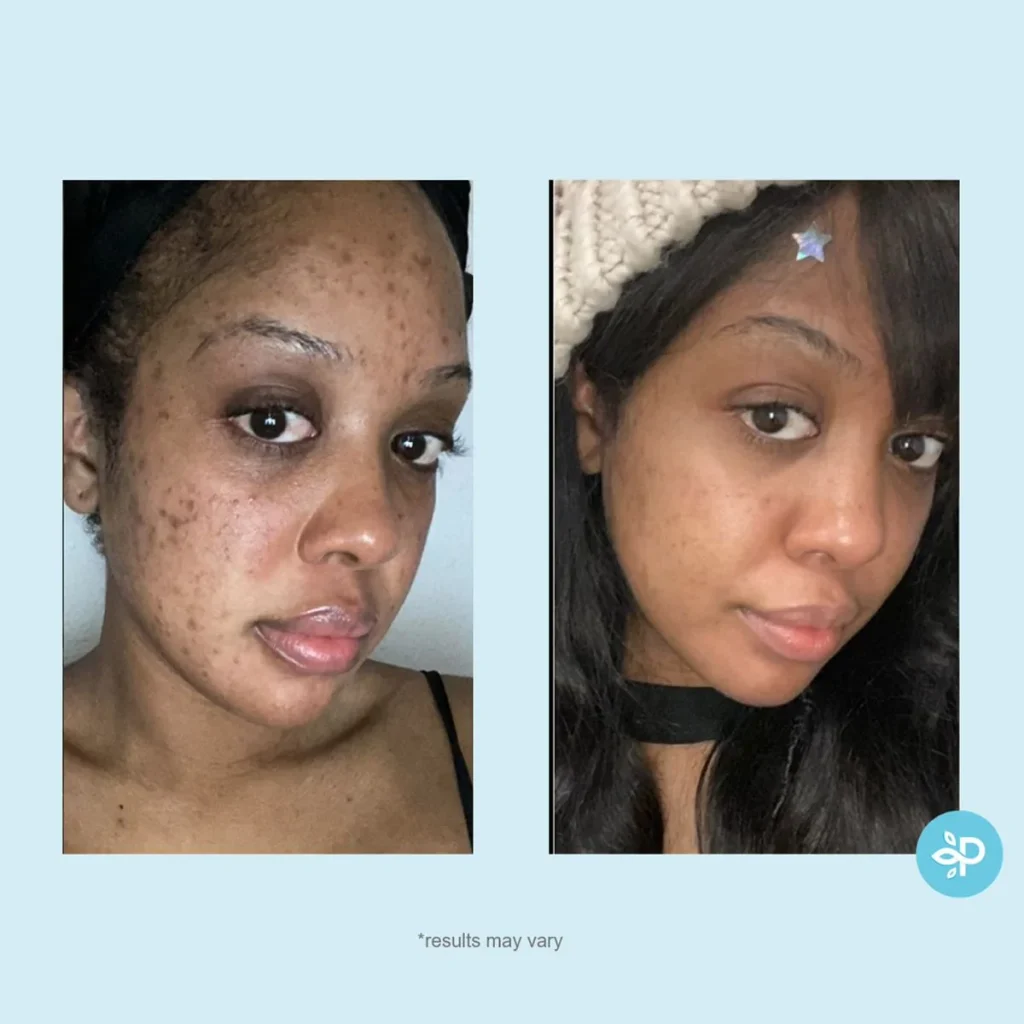
The acne-prone girl’s best friend! If your pores are constantly clogged and your face is producing enough oil to fry an egg, this is one to look into. Salicylic acid clears congestion and improves the appearance of post-acne marks. Consider it a deep clean for your pores. Your skin will feel squeaky clear, squeaky clean, and brand new after the treatment
Glycolic acid peels

If your skin looks dull, feels rough, or just doesn’t have a glow to it, glycolic acid might be more your speed. It exfoliates the surface of the skin, helping improve uneven tone, mild pigmentation, and texture. It’s also commonly used as a series of treatments, so don’t expect one appointment to magically erase every skin concern you’ve ever had.
TCA Peel
Now, if we’re talking about something a little more intense, there’s the TCA peel, short for trichloroacetic acid. Depending on the strength, this peel can target sun damage, fine wrinkles, uneven pigmentation, and certain textural concerns. The catch? Stronger TCA peels come with more peeling, more recovery time, and a greater risk of complications. And if you have brown or Black skin, you need to be particularly careful about who performs the treatment. The last thing you want is to spend a bag trying to get rid of dark spots just to end up with more of them.
Cosmelan Peel
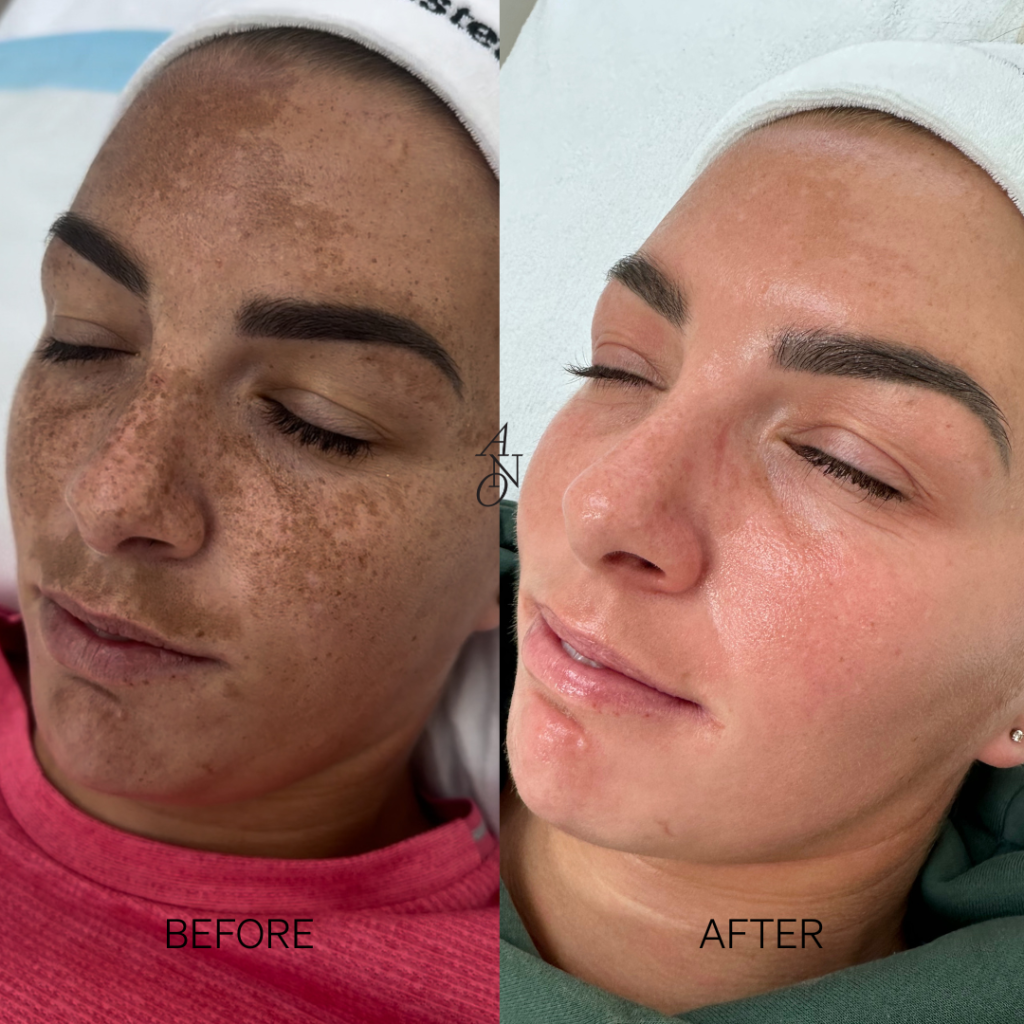
If your main concern is hyperpigmentation of any kind, then the cosmelan peel is certainly the peel for you. We’re talking melasma, stubborn dark patches, and the post-acne marks that love to stick around long after the actual pimple has disappeared. Unlike a traditional acid peel, Cosmelan is a professional depigmentation treatment designed to reduce excess pigmentation. It also comes with a home-care routine, meaning the treatment doesn’t end when you leave the clinic. It’s one of the more expensive options on this list, but for people struggling with persistent pigmentation, it’s definitely worth exploring.
| Treatment | Treats | Cost per session (CAD) | Typical frequency | Estimated annual cost (CAD) |
|---|---|---|---|---|
| Salicylic acid peel | Acne, clogged pores | $120–$200 | 4–6/year | $480–$1,200 |
| Glycolic acid peel | Dullness, uneven texture | $120–$200 | 4–6/year | $480–$1,200 |
| TCA peel | Sun damage, fine lines | $150–$350 | 1–2/year | $150–$700 |
| Cosmelan peel | Melasma, dark spots | $1,300–$2,100 | 1 treatment program | $1,300–$2,100 |
Thank you for reading HOT ON TUESDAY🔥! Join the HOT LIST today to stay up to date and support this publication (no spam, hehe)
The Glass Skin Game Plan: What I’d Spend in a Year to Get Perfect Skin
We’ve talked about the treatments, what they do, and how much they cost. Now it’s time to put everything together and see what a year of chasing perfect skin might actually look like!
For context, I have a deeper skin tone, oily, acne-prone skin, and my biggest concerns are melasma around my cheeks and stubborn hyperpigmentation. I’m looking for treatments that can help clear congestion, fade dark spots, and improve my skin’s texture without triggering even more pigmentation. Girl, I’m trying to GET RID of the dark spots, NOT COLLECT new ones.
So, what made the cut?
Microneedling with PRP, Cosmelan, salicylic acid peels, and Pico laser.
Each has a different job. Microneedling with PRP can help improve collagen production, acne scarring and texture, Cosmelan targets stubborn pigmentation, salicylic acid helps with clogged pores and acne, and Pico laser will help fade melasma.
DISCLAMERRR: We Can’t Do Everything at Once!!
Before you book your appointments, there’s something important to know: these treatments can’t simply be piled on top of one another. Your skin needs time to recover because too much irritation can worsen the condition of your skin.
The order and spacing matter, too. Cosmelan has its own recovery period and at-home care routine, so other treatments may need to wait. Microneedling, peels, and laser sessions should be scheduled around your skin’s healing, with a qualified provider who understands melasma and skin of colour. Depending on how your skin responds, you may need longer breaks or may decide to skip a treatment altogether.
The goal is better skin, not a damaged skin barrier and a brand-new set of problems. Your practitioner will be able to come up with a regimen schedule that suits your skin and the results you’re after.
| Treatment | Frequency per year | Cost per session (CAD) | Annual total (CAD) |
|---|---|---|---|
| Microneedling with PRP | 3 sessions | $500 | $1,500 |
| Cosmelan treatment program | 1 program | $1,400 | $1,400 |
| Salicylic acid peel | 1 session | $160 | $160 |
| Pico laser | 3 sessions | $250 | $750 |
| Skincare products and sunscreen | Year-round | — | $1,500 |
| Grand total | 8 Treatments | $5,310 CAD |
These figures are estimates for budgeting, not a recommendation to undergo every treatment each year. Your provider should determine which treatments are appropriate and how to space them safely. And remember, a consistent skincare routine and daily sunscreen are non-negotiable if you want to protect your skin and maintain your results. Actual costs and frequency will vary.




Leave a Reply